
Welcome to your second selsimicu recap! This will test your knowledge of lessons 6-10 with some more complex reading and lexical exercises! Let's begin.
Many words are built off derivational affixes, like -oto for agent nouns (kexta "teach" → kexta'oto "teacher") or o- for patient and stative nouns (fiawi "friendly, kind" → ofiawi "friend, kind one").
Sentences may have specific words right before the verb that denote certain things, most notably commands (zax), suggestions (az), or sentence tense & sureness of information.
Mos and mozño are past, leq and leqot are present, and raj and rajnot are future, with the first one of each of those being trustworthy information and the other being uncertain.
Selsimicu uses postpositions, which take the noun phrase right before them. Notably, these noun phrases can become the object and verb of a sentence with just them, at which point adding other postpositional phrases might seem to break the structure (e.g. "asa prexe oto tzun muj" - i am in a hole because of you). Rest assured that this is intentional.
Genitives of non-pronouns are formed by the particles ta and um.
You use ta to denote possession (X ta Y = Y's X / the X of Y) and um to denote material composition (X um Y = X made of Y)
Selsimicu has several conjunction particles that work in different ways, like li and ujx to connect things to the same sentence role, na as an echo subject, and stuff like itz, karp and atke to connect one sentence to the next. There's also tzasu and akpiru for conditionals, with tzasu being mose cause and effect-y (X tzasu Y = X happens, so Y happens) and akpiru being more predictive (X akpiru Y = if X happens, then Y happens).
Read the following story, and answer six questions about it afterwards:
asa asasqut asan trum.
asa neko zax eswa.
nata nu'an lexso, na asa fej eswa watken.
Oiri mairuñ na selsi wañ. atke nata Micemta fej mos zweñ, tzasu jaqi eswa ken.
Mawta mairuñ na fiawi wañ, tzasu nata ofiawi kul tzu. asa ofiawi natan kres ken.
Texle mairuñ na sun kul. nata luluqik li jojofoñ ōkapon li pupula li lileipowe sun sucra, tzasu nu'a ukeq tazoka noxtis natan muj. fuñra.
Sifube... mos mairuñ. wanu natan leq īñoke. nata lexso kul ken...
tzat otsin uzi? nata nu'an lexso.
wato jaqi nu'an uzi akpiru asa icon nitsa. pi box.
...asa cenar mable? otsin lifē bewtoz praqao ken.
Now, answer the following questions:
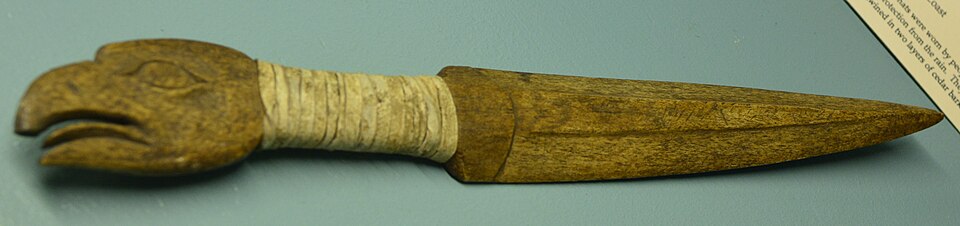
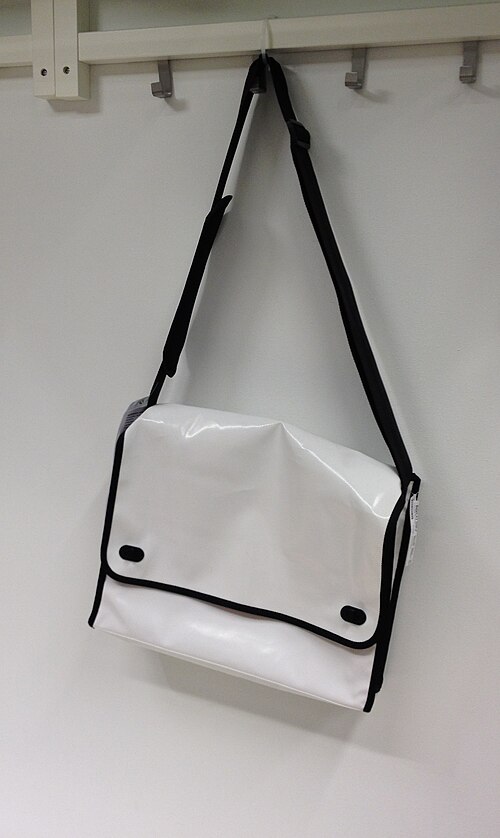
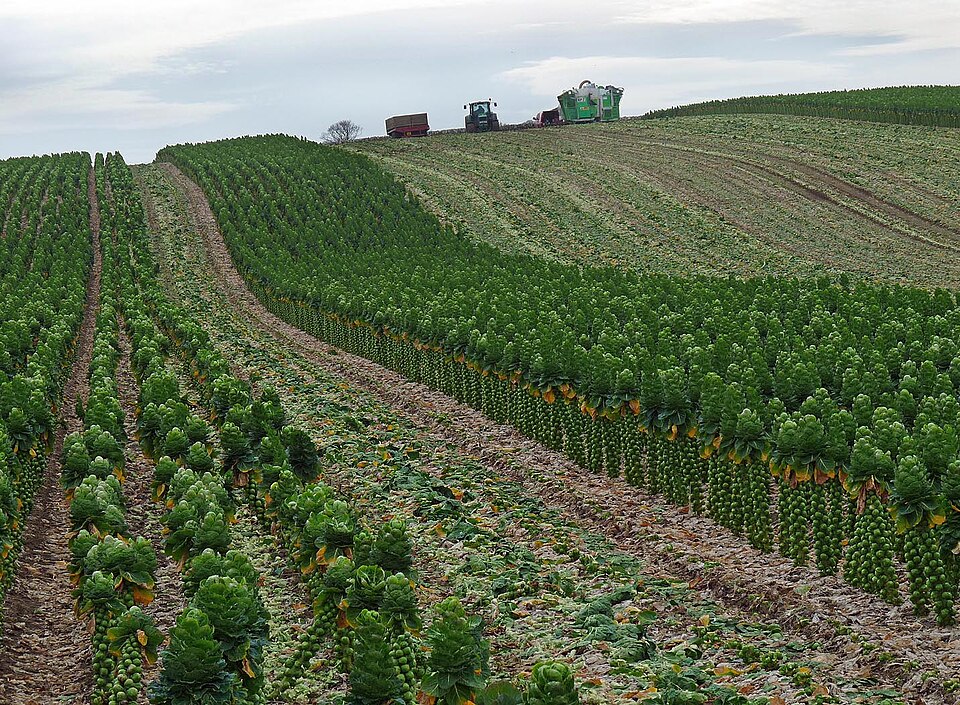
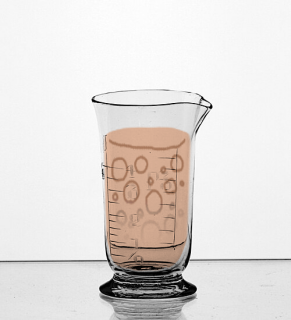
Write the correct noun to refer to the following images, or, if it's a quality, the correct adjective:
|
|
|
|
|
|
|
|
|
|
|
Each of these images can be described with 3 words. Describe them:
 |
|
 |
|
 |
|
 |
|
 |
|
 |
Congratulations! You've passed your second recap! I hope this one was a bit more of a challenge! If not, you're pretty good at this. But don't sweat it if it was. Check how you did with the answers down below! Just highlight the text below the title. It's the same color as the background.
It's time for Section 3, and this one gets adventurous! Get ready!
[BEGIN HERE]
READING: Three; They don't keep in contact with them; Untold; Mawta already has friends, and this is describing why; In Micemta; They would be the only good family sibling to an outside observer
LABELING: luqik (image credit); isu (image credit, altered quite a bit); fabwe (image credit); sīnfanol (image credit); jofoñluta (image credit, probably don't buy whatever this is); cawoka (image credit)
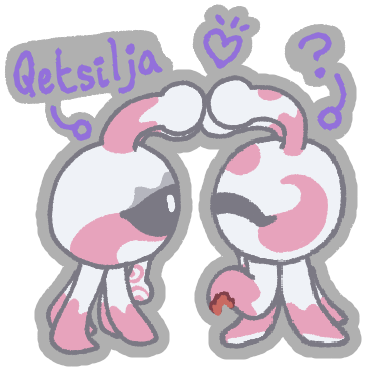
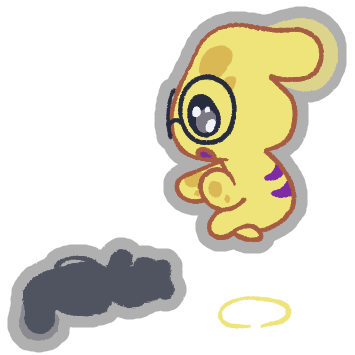
ASSEMBLING: eifa taziam muj; twalto ta Qetsilja; pulwoto pafrim wikix; fena rio ces; leirafes um tazim; wato oscaf uzi (character credit (ZeWei))
congratulations! maybe. i hope! did you have fun?
[STOP HERE]