Welcome to your second selsimicu recap! This will test your knowledge of lessons 6-10 with some more complex reading and lexical exercises! Let's begin.
Many words are built off derivational affixes, like -oto for agent nouns (kexta "teach" → kexta'oto "teacher") or .
The structure of Subject - Object - Verb is used: "she harvests berries" being "nata papafrim ūpowan" (she berries harvest).
Adjectives are stative, but with the suffix -(u)n they become applicative, modifying whatever noun or verb is before them: Compare "pafrim toi" (the berry is big) to "pafrim toin" (the big berry). Adjectives and adverbs are the same.
There are three noun classes, being Animate [A], Inanimate [I] and Postanimate or Otherworldly [O]. Otherworldly nouns aren't pluralized, but nouns of the other two are. This pluralization is done by reduplicating the word's first syllable, plus some caveats.
Selsimicu has pronouns and the verb "to be" separated by these classes, these being: "asa" for 1st person ("me", "I"), "oto" [A], "oteli" [I] and "otsin" [O] for 2nd person ("you"), and "nata" ([A], "he", "she", "they"), "neko" [I] and "no'o" [O] ("it").
For sentences where the subject is 1st person, use "kres" as the "to be" verb. When the subject is 2nd OR 3rd person and [A], use "ñaf". When it's 2nd person and not [A], use "fi", and when it's 3rd person and not [A], use "cu". Only use for nou = noun sentences, and not noun = adjective!
Finally, ask questions with the word "cenar" replacing what you're asking about: "cenar zweñ" - "who (or what) is leaving?"; or with "tzat" leading the sentence, for a yes or no question: "tzat oto zweñ" - "are you leaving?"
Read the following small story, and answer four questions about it afterwards:
asa Miski mable. asa tosno piris.
asa tosno tzu ken. asa tosno seika.
asa cawa uzi. tosno mairuñ ken. cawa tosno tzu ken.
asa tazim uzi. tosno mairuñ ken. tazim tosno tzu ken.
asa leipowe uzi. tosno mairuñ ken. atatmek icon mairuñ. atatmek tosno cu ken.
asa farixi uzi. neko ofiawi asan tzu.
asa nata zurēk. "ñosaiko. tzat oto tosno tzu?"
nata wikix. "wañ, asa tosno kul tzu. tzat oto neko piris?"
asa wikix ken. "asa piris". nata tosno tepsu. asa tosno tzu.
asa isu. asa zaf.
Now, answer the following questions:
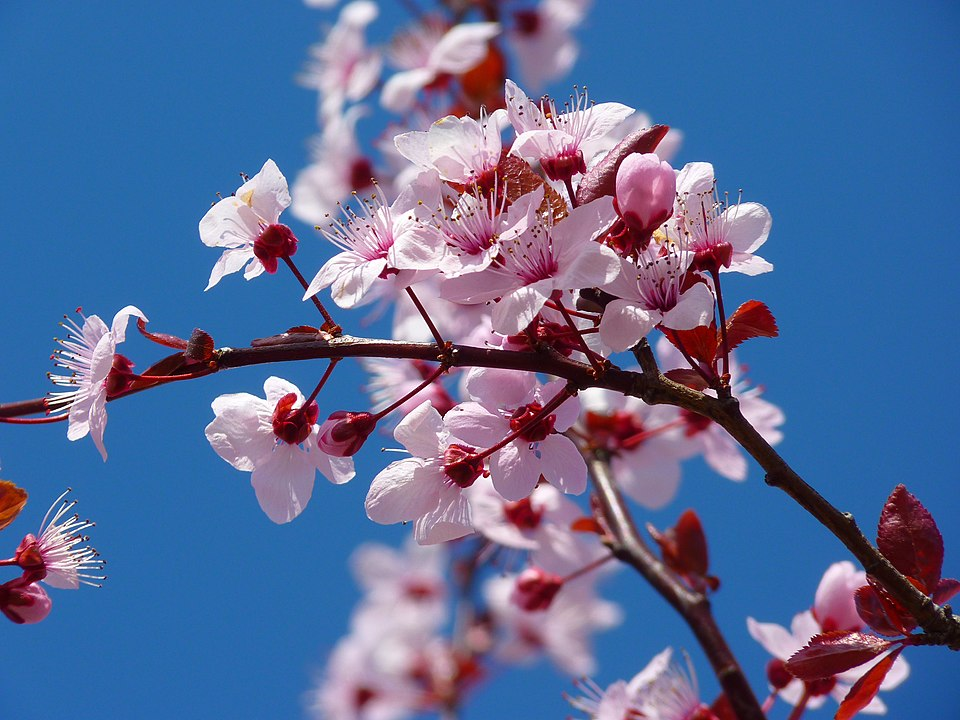
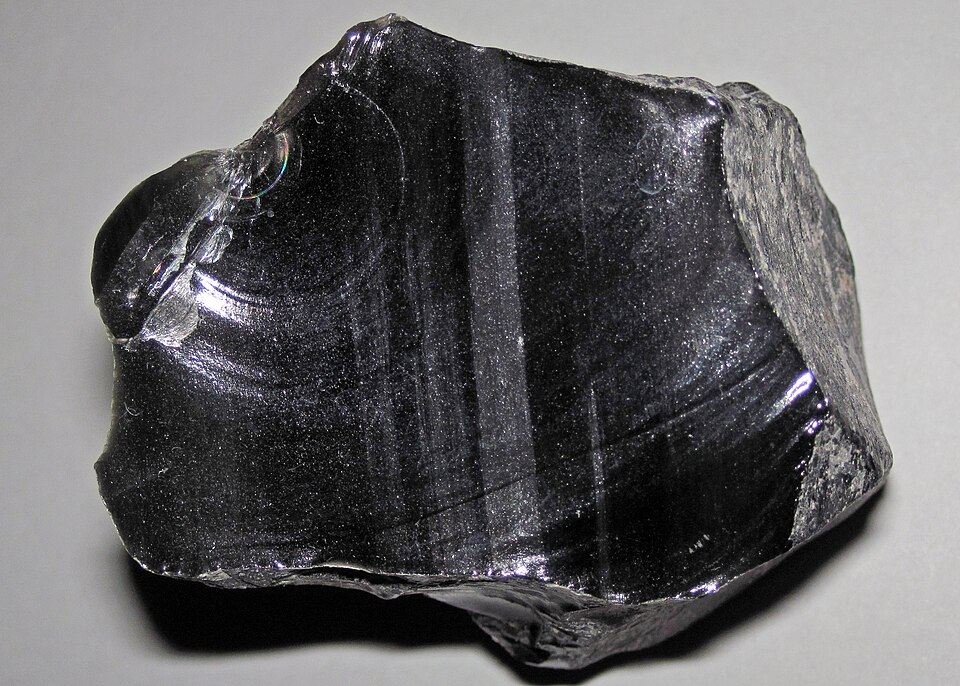
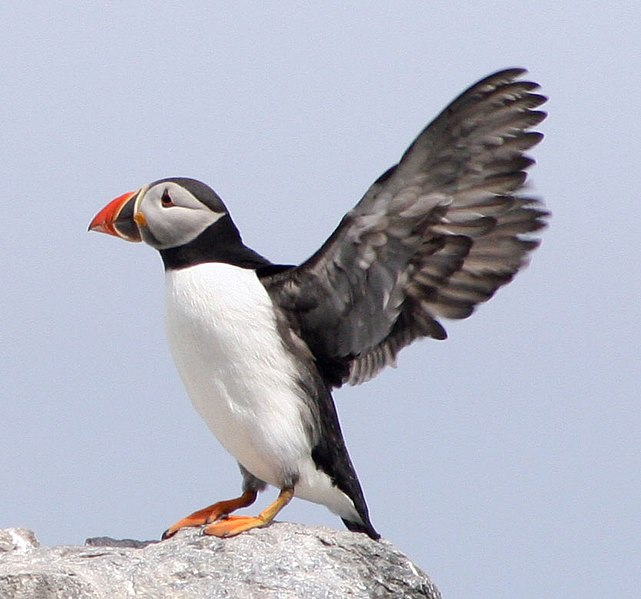
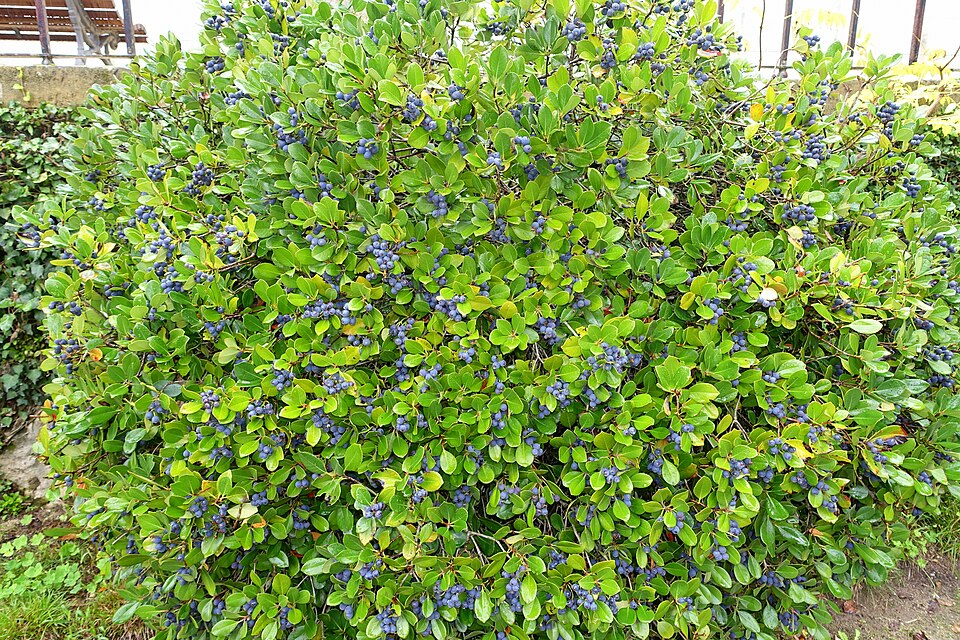
Write the correct noun to refer to the following images:
|
|
|
|
|
|
|
Write the correct verb to describe the situation shown in the following images:
 |
|
 |
|
 |
|
 |
Congratulations! You've passed your first recap! Or, hopefully you did. I'm gonna have to rely on self-checking for this because I couldn't find an easy way to make it check itself. Answers are down below! Just highlight the text below the title. It's the same color as the background.
If you got all them right, congratulations! If you didn't, buckle up! Or just re-check the lessons, no harm in that. If you'd like to move forward, be my guest!
[BEGIN HERE]
READING: Obsidian; Miski got what they wanted in the house; Beans; Happy and satisfied
LABELING: pafrim (image credit); tosno (image credit); pulwoto (image credit); rewsu (image credit)
DESCRIBING: xubu; wikix; mable; zweñ
congratulations! maybe. i hope! did you have fun?
[STOP HERE]


